How Technology is Improving Home Health Care Services
Home health care has become an important part of modern medicine. Patients who need regular care or recovery support can now receive it in the comfort of their own homes. Advances in technology are making this type of care more efficient, accurate, and responsive. From remote monitoring tools to virtual consultations, technology is reshaping how caregivers deliver services.
Let’s explore how technology is changing home health care, focusing on tools that track health, improve communication, and support patient independence.
Monitoring Health Remotely
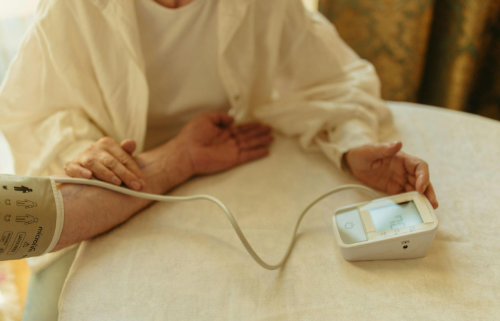
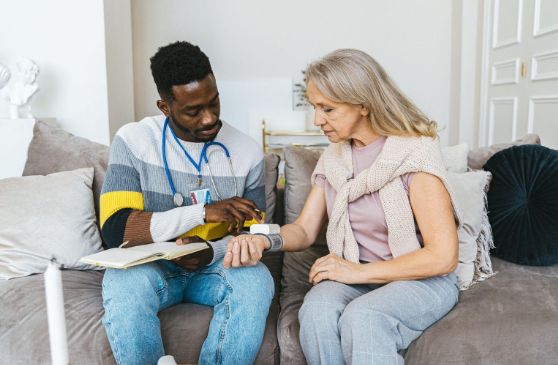
One of the most significant changes in home health care is remote patient monitoring. Devices like wearable trackers, smartwatches, and connected medical equipment allow caregivers to monitor vital signs without visiting the patient. These devices can track blood pressure, heart rate, blood sugar levels, and oxygen saturation.
Data collected through these tools is sent to healthcare providers in real time. This allows doctors and nurses to detect early signs of health problems and respond quickly. Patients can also feel safer knowing that their health is constantly being observed. Remote monitoring reduces unnecessary hospital visits and supports faster response in emergencies.
Providing Virtual Consultations
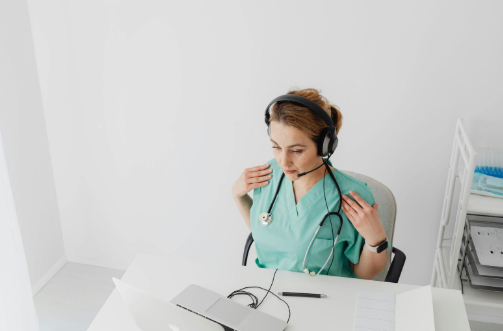
Telehealth platforms have made it easier for patients to connect with medical professionals from home. Video calls and secure messaging systems let patients consult with doctors, nurses, and therapists without leaving their homes. This is particularly useful for patients with limited mobility, chronic conditions, or weakened immune systems.
Virtual consultations save time and reduce travel stress for patients. They also allow caregivers to review treatment plans, adjust medications, and answer questions quickly. With technology, home health care becomes more accessible, reducing delays in medical support.
Managing Medications Accurately
Technology is helping patients manage medications more effectively. Smart pill dispensers, automated reminders, and medication tracking apps guide patients on when and how to take their prescriptions.
These tools reduce the risk of missed doses or medication errors. Caregivers can monitor adherence remotely, making adjustments when needed. Accurate medication management improves patient safety and supports better health outcomes.
Supporting Rehabilitation and Therapy
Rehabilitation and physical therapy at home are becoming more interactive with technology. Video-guided exercise programs, wearable motion sensors, and mobile apps help patients follow therapy routines.
Therapists can monitor progress remotely and provide feedback based on real-time data. This allows patients to recover at home while still receiving professional guidance. Technology helps maintain consistency in therapy, which is critical for faster recovery.
Improving Communication Between Patients and Caregivers
Effective communication is key in home health care. Technology provides tools such as messaging apps, secure portals, and care management platforms to maintain clear communication between patients, family members, and caregivers.
These platforms allow updates on patient conditions, care schedules, and treatment adjustments to be shared instantly. They also help caregivers coordinate among themselves, reducing misunderstandings and missed tasks. This organized communication leads to more coordinated and reliable care.
Using Data for Better Decision-Making
Digital tools in home health care collect large amounts of data. Electronic health records, monitoring devices, and health apps store patient information that caregivers can access easily.
By analyzing this data, caregivers can make informed decisions about treatment plans, adjust care based on trends, and prevent potential complications. Data-driven care allows home health services to be more precise, reducing unnecessary interventions and supporting personalized care plans.
Supporting Independence for Patients
Technology helps patients maintain independence while receiving care at home. Smart home devices, automated reminders, and monitoring systems let patients manage daily routines safely.
For example, motion sensors can alert caregivers if a patient falls, and smart appliances can provide safe, guided operation. Patients feel more confident performing daily activities, which supports mental well-being and overall quality of life. Technology allows care to be delivered without taking away personal autonomy.
Protecting Privacy and Security
As technology becomes central to home health care, privacy and data security are critical. Secure platforms, encrypted communication, and strict access controls help protect patient information.
Health care providers follow legal guidelines and best practices to prevent unauthorized access and data breaches. Protecting privacy builds trust between patients and caregivers and encourages patients to use technological tools without hesitation.
Training and Supporting Caregivers
Technology also supports caregivers by providing training and resources. Online courses, instructional videos, and mobile apps offer guidance on patient care, emergency procedures, and equipment use.
With access to these resources, caregivers can improve their skills and handle tasks with confidence. Technology also helps caregivers manage schedules, track tasks, and communicate with colleagues, which reduces stress and improves service quality.
Preparing for the Future of Home Health Care
The integration of technology in home health care is expected to continue growing. Artificial intelligence, advanced monitoring devices, and predictive analytics will play larger roles in anticipating patient needs.
As these tools become more sophisticated, home health care can become even more efficient, proactive, and personalized. Patients and caregivers will be able to focus on health outcomes while using technology to simplify daily tasks and improve care delivery.
Final Thoughts
Technology is changing the way home health care is delivered, making it more responsive, precise, and supportive. Remote monitoring, virtual consultations, medication management, and data-driven decision-making are just a few examples of how technology benefits patients and caregivers.
As innovation continues, home health care will continue to grow as a reliable option for patients who want to receive care in the comfort of their own homes.
Your health and comfort matter most. At
Five Star Home Health Care Agency, we provide skilled, compassionate care right in your home. Our team works with you to create a personalized plan that meets your needs.
Reach out today and start receiving care that supports your independence and well-being.